
Belmont Community Primary School
Online Safety
The use of computers and the internet has become an important part of our daily lives, and it is essential that we teach our children not only how to use such technology to benefit their learning but also to use it wisely. As adults, we are aware that not everything we read online is true and reliable and that there are many internet sites that are not suitable for children to see.
In school, we regularly talk to the children about how to keep safe online, along with having regular assemblies and reminders. We also take part in the national Safer Internet Day each year. Children are encouraged to report anything online that they may find upsetting or uncomfortable.
In school, unsuitable internet sites are blocked by our internet filters. To help you ensure that security is in place at home, every month we are pleased to share an Online Safety newsletter with you. There are also links to helpful information on our Online Guides and Support page in this section. If you have any concerns about internet safety, please let us know.
Why is internet use important?
The purpose of internet use in school is to raise educational standards, to promote pupil achievement, to support the professional work of staff and to enhance the school’s management functions.
- Internet use is part of the statutory curriculum and a necessary tool for learning.
- The Internet is a part of everyday life for education, business and social interaction. The school has a duty to provide pupils with quality internet access as part of their learning experience.
- Pupils use the internet widely outside school and need to learn how to evaluate internet information and to take care of their own safety and security.
How does internet use benefit education?
- It gives access to world-wide educational resources including museums and art galleries;
- It allows access to learning, wherever and whenever convenient.
- It enables educational and cultural exchanges between pupils world-wide;
- It gives access to experts in many fields for pupils and staff;
- It can provide professional development for staff through access to national developments, educational materials and effective curriculum practice;
- It provides Improved access to technical support including remote management of networks and automatic system updates;
- It enables exchange of curriculum and administration data with Lincolnshire County Council and DfE;
How can internet use enhance learning?
The school internet access is designed to enhance and extend the education of our pupils.
- They will be educated in the effective use of the internet in research, including the skills of knowledge location, retrieval and evaluation.
- Pupils will be taught what internet use is acceptable and what is not and given clear objectives for internet use.
- Staff will guide pupils to online activities that will support the learning outcomes planned for the pupils’ age and maturity.
- Pupils will be taught to respect copyright when using internet material in their own work and to acknowledge the source of information.
- We will ensure that the copying and subsequent use of internet derived materials by staff and pupils complies with copyright law.
How will pupils learn online safety?
Online safety is a part of teaching in every subject and is viewed as a whole-school requirement across the curriculum. It is taught discretely as part of our computing and PSHE lessons and also at specific times eg Safer Internet Week and Anti-Bullying Week.
Online content is filtered including access to social media and social networking sites.
Pupils will be advised never to give out personal details of any kind which may identify them and/or their location.
Pupils are advised on security and privacy online and are encouraged to set passwords, deny access to unknown individuals and to block unwanted communications. Pupil are encouraged to approve and invite known friends only using only age appropriate social networking sites and to deny access to others by making profiles private.
Concerns regarding students’ use of the internet (in or out of school) will be raised with their parents/carers, particularly when concerning inappropriate behaviour or under-age use of sites by pupils.
All members of the school community are advised not to publish specific and detailed private thoughts, especially those that may be considered threatening, hurtful or defamatory. Staff personal use of social networking, social media and personal publishing sites will be discussed as part of staff induction and safe and professional behaviour will be outlined in the school Acceptable Use Policy.
How is cyber-bullying managed?
Cyber-bullying (along with all other forms of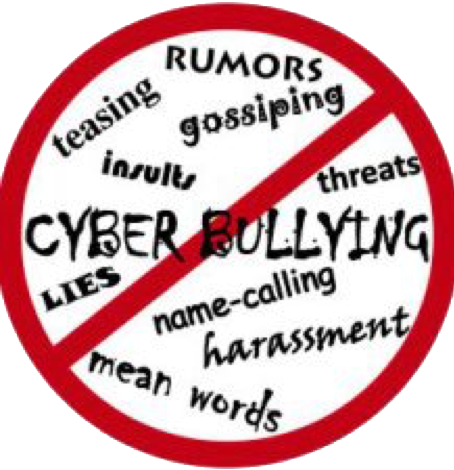 bullying) of any member of the school community will not be tolerated. Full details are set out in the school’s policies on anti-bullying and behaviour.
There are clear procedures in place to support anyone in the school community affected by cyber-bullying:
- All incidents of cyber-bullying reported to the school will be recorded.
- Parent/carers of pupils will be informed.
- There will be clear procedures in place to investigate incidents or allegations of cyber-bullying and to put into place any sanctions that may follow.
- Pupils, staff and parents/carers will be advised to keep a record of the bullying as evidence.
- The Police will be contacted if a criminal offence is suspected.
e-Safety Policy
Please click on the link below for our e-Safety Policy.